There are cities that impress at first glance, and others that slowly reveal their charm. Copenhagen belongs to the second category. Denmark’s capital is not about grand gestures or overwhelming size. Instead, it seduces visitors with harmony: between water and brick façades, bicycles and royal palaces, cutting edge gastronomy and centuries old traditions.
If you are planning your stay and want a deeper, locally inspired perspective, the magazine style guides on Passion Copenhagen offer a curated approach to neighborhoods, cultural spots and authentic experiences beyond the obvious landmarks.
A City Built Around Water
Copenhagen’s identity is inseparable from the sea. The city stretches along the Øresund strait, facing Sweden, and its canals shape both its geography and its rhythm. Waterfront promenades are not decorative additions here; they are part of daily life.
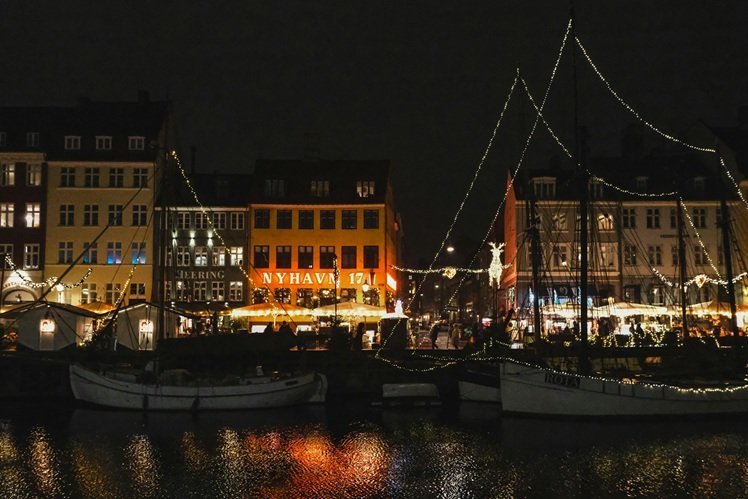
Start with Nyhavn, the postcard perfect harbor lined with colorful 17th and 18th century townhouses. Once a busy commercial port, it is now a lively meeting point filled with cafés and wooden boats. Yet beyond the camera flashes, Nyhavn tells a deeper story: of maritime trade, of sailors and merchants, and even of writer Hans Christian Andersen, who once lived here.
A canal tour offers another perspective. From the water, Copenhagen feels intimate. You glide past modern architecture, old warehouses transformed into cultural hubs, and locals swimming in the harbor baths during summer. Few capitals allow you to dive into clean urban waters in the middle of the city.
Royal Heritage and Living History
Copenhagen is still a royal capital, and the Danish monarchy remains one of the oldest in the world. The changing of the guard at Amalienborg Palace draws visitors daily, yet the atmosphere is surprisingly relaxed.
Walk from Amalienborg to Rosenborg Castle through the King’s Garden, and you will move through centuries in a matter of minutes. Rosenborg houses the Danish crown jewels, while Christiansborg Palace, home to the Danish Parliament, symbolizes the balance between monarchy and modern democracy.
What makes Copenhagen special is not just the presence of these landmarks, but their integration into everyday life. Locals jog through royal gardens, picnic near palaces and cycle past government buildings without ceremony. History here is not frozen behind barriers; it coexists with contemporary life.
Design as a Way of Life
Denmark is synonymous with design, and Copenhagen is its beating heart. From furniture to urban planning, aesthetics are never superficial. They serve comfort, sustainability and human scale.
The Danish Design Museum provides insight into the evolution of Scandinavian modernism, showcasing icons such as Arne Jacobsen and Hans Wegner. But you do not need a museum ticket to feel the design philosophy. Sit in a café, notice the clean lines of chairs, the soft lighting, the natural materials. Even public benches and bike lanes reflect thoughtful planning.
Neighborhoods like Vesterbro and Nørrebro illustrate how former working class districts have transformed into creative, multicultural hubs. Independent boutiques, ceramic studios and concept stores coexist with organic bakeries and craft breweries. The city reinvents itself without losing coherence.
Culinary Capital of the North
Over the past two decades, Copenhagen has become a global gastronomic destination. The New Nordic movement, driven by chefs focusing on local, seasonal ingredients, redefined fine dining. Restaurants such as Noma brought international acclaim, but the culinary revolution goes far beyond Michelin stars.
Street food markets like Reffen on Refshaleøen offer a more casual approach. Here, global flavors meet Danish produce in a former industrial zone overlooking the water. You can taste smørrebrød, open faced sandwiches topped with herring or roast beef, alongside inventive vegetarian dishes.
Even bakeries are serious business. Danish pastries, known locally as wienerbrød, are elevated to an art form. Try a cardamom bun or a cinnamon swirl fresh from the oven, and you will understand why locals queue patiently in the morning.
Green Spaces and the Culture of Hygge
Copenhagen consistently ranks among the world’s most livable cities. Part of the reason lies in its green spaces and its embrace of hygge, the Danish concept of coziness and simple pleasures.
The city encourages slow moments. You might find yourself sitting by the lakes at sunset, watching swans glide across the water. Or sharing a candlelit dinner with friends while rain taps softly against the window.
Cycling is another defining feature. More bikes than cars circulate in central Copenhagen, and dedicated lanes make it safe and efficient. Renting a bicycle is not just practical; it is the best way to experience the city like a local.
Tivoli Gardens, one of the world’s oldest amusement parks, blends nostalgia and charm. Opened in 1843, it offers rides, concerts and illuminated gardens that feel almost theatrical at night. It is both tourist attraction and beloved local tradition.
Christiania: Alternative Spirit
No portrait of Copenhagen would be complete without mentioning Freetown Christiania. Founded in 1971 by squatters in a former military area, it developed into a self proclaimed autonomous neighborhood.
Christiania operates under its own set of rules, promoting community living, art and alternative lifestyles. Colorful murals, handmade houses and workshops give it a distinct atmosphere. While controversial at times, it remains a symbol of Copenhagen’s openness to experimentation and dialogue.
Visitors should approach Christiania with respect: photography is restricted in certain areas, and the community values discretion. Beyond the headlines, it offers insight into a different vision of urban life.
What to See If You Only Have One Day
Short on time? Copenhagen’s compact size works in your favor. If you are wondering what to see in copenhagen in 1 day, focus on a carefully curated route rather than rushing between distant attractions.
Begin at Nyhavn in the early morning before the crowds build up. Walk to Amalienborg Palace, then head toward the iconic Little Mermaid statue along the waterfront. Continue to Rosenborg Castle and relax briefly in the King’s Garden.
After lunch, perhaps sampling smørrebrød, cross to Christiansborg Palace for panoramic views from its tower. End your day in Tivoli Gardens or strolling through the Latin Quarter’s small streets.
One day will not reveal every layer of the city, but it will give you a sense of its balance: maritime heritage, royal history, design innovation and everyday ease.
A Capital That Feels Human
Copenhagen does not compete with megacities in scale or spectacle. Instead, it offers proportion. Distances are manageable, architecture rarely overwhelms, and public spaces invite participation rather than passive admiration.
It is a city where you can attend a contemporary art exhibition in the morning, swim in the harbor in the afternoon and dine in a world class restaurant by evening, all without feeling rushed.
In the end, Copenhagen’s greatest strength may lie in its coherence. It is not just beautiful; it is thoughtfully built. Not just trendy; deeply rooted. A capital that proves modernity and tradition, sustainability and pleasure, can coexist in quiet harmony.